
Short version. Light gauge steel frames do not get eaten, do not absorb moisture, do not warp and do not burn. They cost more than timber in some markets and less in others, so the only comparison worth having is a quote from your own drawings. Below is what we explain to people every week.
Termites and fire
Timber framing is food. In a high termite zone that means chemical treatment at install, ongoing inspection and a residual risk that never fully goes away. Steel framing removes that conversation from the build entirely.
Steel also does not add fuel to a fire. That matters most on bushfire-prone sites, where the framing choice is one part of a wider set of construction requirements. Frametec manufactures to the ratings on your engineer's report rather than to a generic specification.
What steel does not need
- Chemical termite treatment on the frame
- Annual frame inspections
- Straightening or packing before linings go on
Straight walls hold their line
Timber takes on and gives up moisture as the seasons change, which is why a frame is usually inspected and adjusted before plasterboard. Rolled steel does not move with humidity. What is set out on the drawings is what goes up, and what goes up stays where it was put.
That is the practical benefit: fewer adjustments, flatter linings, and cabinets and joinery that fit the wall they were measured against.
Do steel frames rust?
A steel frame in a finished wall is dry, enclosed and protected. The steel used for framing is coated, and the coating is what carries the frame through the life of the building.
TRUECORE steel is the coated product Frametec rolls. Coating classes, including AZ150 and heavier classes, are specified for the environment the house is going into. A coastal or highly corrosive site takes a heavier coating than an inland one, and that call is made against your engineer's specification, not a rule of thumb.
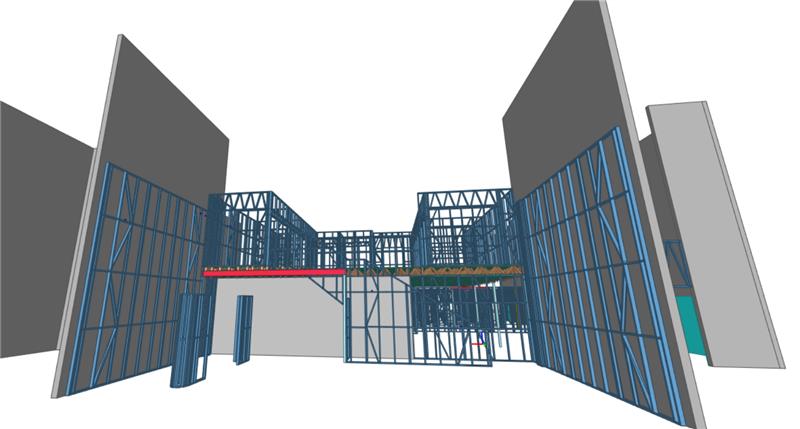
Where the frame is exposed before the roof and linings go on, it will get wet. That is normal and it is why the coating exists. What matters is that the coating class suits the site and the frame is not left sitting in standing water.
Confirm with clientFrametec's standard coating class and warranty position are to be confirmed before launch.
Is steel more expensive than timber?
Sometimes yes, sometimes no. Three things move the number:
- The design. Long spans, open living areas and heavy roof loads suit steel, and that is where the gap narrows or reverses.
- The detailing. A frame that has been properly modelled and detailed removes site labour and rework. That cost sits in the package, not in the frame price.
- The timber market. Timber pricing moves more than steel. Two quotes a year apart can tell a different story.
The honest answer is that a rate per square metre is not a comparison. Send your plans and compare two real numbers for the same scope. Get a quote from your drawings.
Lipped and unlipped studs
Both are light gauge steel sections and both have a place.
Lipped studs have a small return folded on each flange, which stiffens the section. They carry more load for the same steel thickness and are the usual choice for load bearing walls.
Unlipped studs are simpler sections, commonly used in non load bearing and internal walls, and where services and noggings need a flatter face.
Which one goes where is an engineering decision. Our job is to detail the frame so the section, the bracing and the openings all agree with your engineer's drawings.
What we need from you
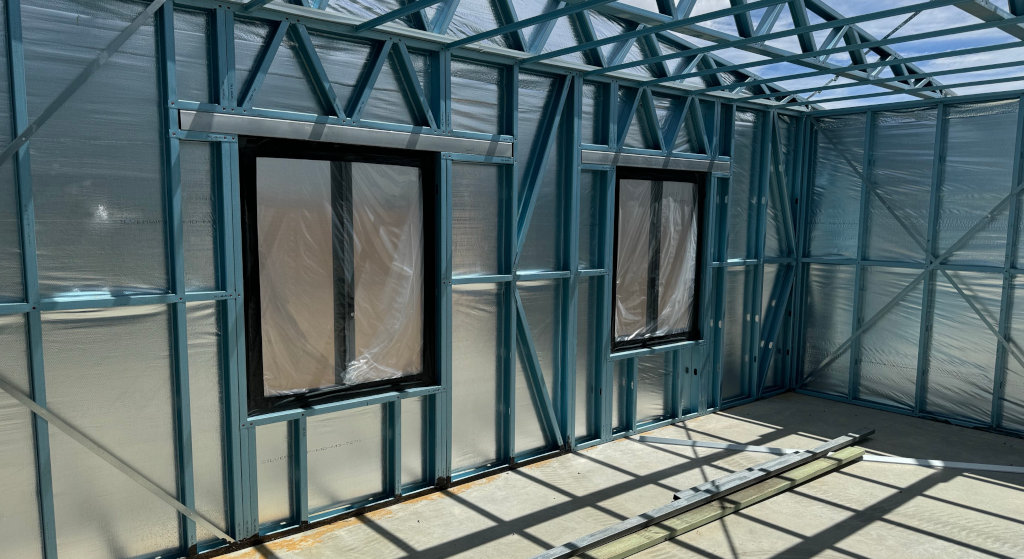
To price a frame properly we need the architectural drawings, the structural drawings and the engineer's notes on wind classification and bracing. A PDF, a DWG or even a set of photos of the printed plans is enough to start.
From there we model the frame, resolve the detail and come back with a price and a scope in writing.
Send your plans and we will come back with
- A price from your drawings, not a rate per square metre
- A written scope of what is included
- Questions, if something on the drawings needs resolving